Rinascimento 4.0, Palazzo Strozzi, Firenze (IT) 2018
VAR DIGITAL ART
Marco Mendeni / Fabio Giampietro
Curated by Danila Ipri De Santis, Courtesy Area 35 Art Gallery
.
.
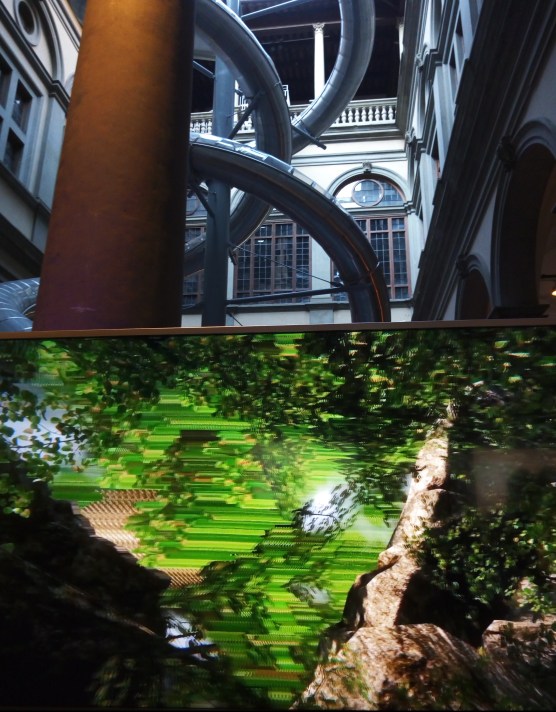
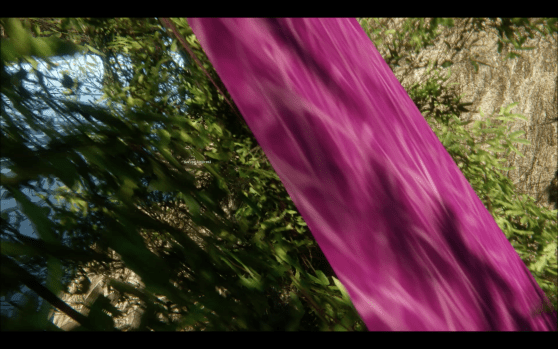
r lightTweakSunlight 02
[HD Video
2014
Dimensions Variable
created with the CryEngine 3]

Solo Show / 2017
“My Time Machine Is Burning. (Is There A Life After Capitalism?)”
curated by Elena Giulia Abbiaticci, Label 201, Roma (IT)
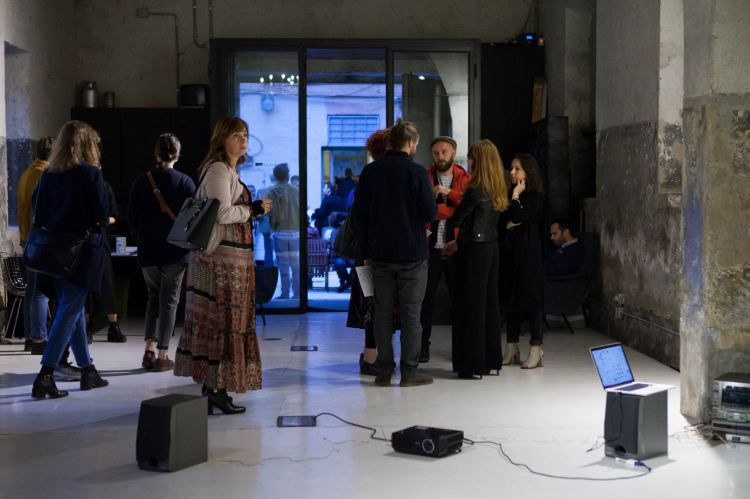
It had never happened before, in the history of the world, that such a high number of images, videos and audio tracks were made accessible to users of many parts of the globe in such a widespread and open way, triggering debates on rights, re-appropriation, thus authenticity, and data resistance at the time.
Downloading, sharing, reinstalling, remixing are the verbs that mark our days.
“What will it remain?” is a question that flows and recurs in our synapses in a continuous rhythm. File conservation is a complex topic, discussed in appropriate museum locations, accompanied by testing longer-lasting supports and / or by altering other ones by providing satisfactory documentation. And if the loss will not be a problem? The amnesia that the brain produces of much information is a proven fact – maybe accepted – from neuroscientific sources that see in the hyperbola frenzy an impossibility to settle too many data in the area of memory – the hippocampus.
If we reflect, in the course of history, only the most powerful images and facts have remained: the ones which can pierce the airbag of time. Our imagination has assimilated and preserved them, just as the “iconographic heritage” of blogs, magazines, video games, movies … and assembles it in a productive way and reinterprets it with the tools it has.
It happens that the control of the artist on his/her work is delegated to the control of a mechanical arm. Do we perhaps live in a society in which our imagination, and therefore representation, is not filtered by algorithms, obscure but decisive for us?
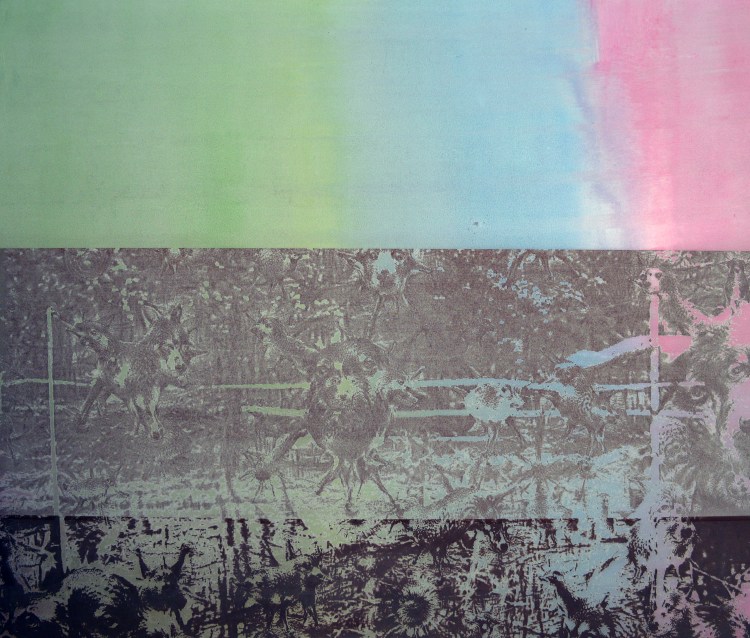
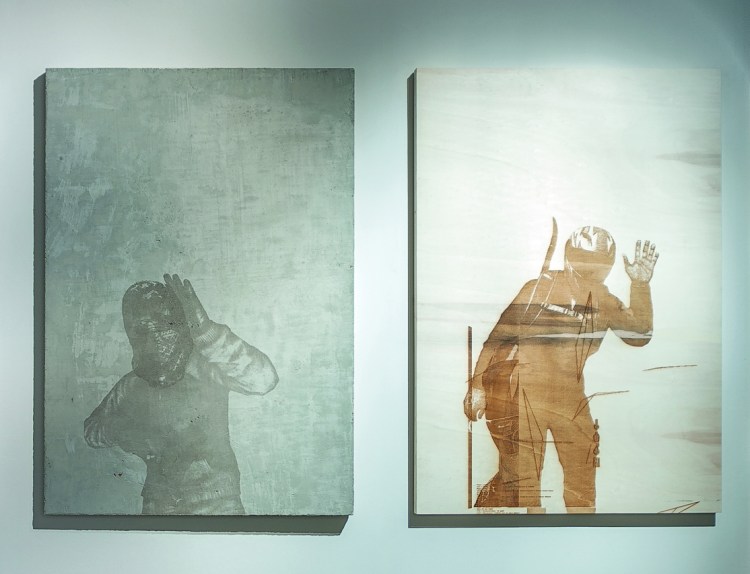
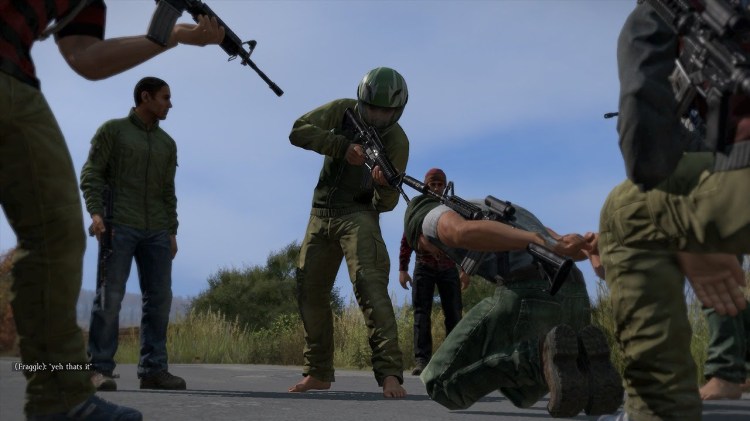
These are the questions investigated by the pictorial and sculptural works of Marco Mendeni, who uses numerical control machines, software such as Google Deep Dream and DayZ virtual adventures to reprocess images that can measure mental mash-ups that ferry the artistic representation.
It results in oil canvas that circle the space of time in a stylistic matrix between the primitive essence of the stroke and the dreamlike and arabeggish transcendence of the forms of Google Deep Dream. The incisive and glowing sign of the machine did the rest.
While on the one hand we rejoice, finally, the relativization of man as a center and criteria of measure and action on the world, how much the perfection of man for machine make us perplexed and not vice versa?
Label201 presents Marco Mendeni – winner TINA PRIZE 2016 between Rome, Chicago, Mexico City – with an exhibition of unpublished works produced for the occasion by the artist and a live performance Lag_0.Dream at 9 pm. Lag_0.Dream is the result of a selection process, reconfiguration and transformation of some digital entertainment products. By dismanteling their essential dynamics and changing their work code, it wants to stimulate a more careful observation, against a often superficial and banally harmful use, part of a sort of collective unconsciousness. The performance of about 30 minutes will be a real-time remix of media products, seeking in the depth of code, improvisation and unpredictability its meaning.
The exhibition is part of the DIGITAL PRIMITIVES: NEURONS ON THE CLOUD. The computational artistic imagination, founded in 2015 and carried on through a series of shows, between Cairo and Berlin – at this time – by Elena Giulia Abbiatici.
The inauguration of the show on Saturday, May 6, coincides with the Open Studios event at Open House Rome, during which the Portuense201 districts open their doors to the public with a series of events and installations involving video, art , architecture and design studios.
The exhibition is in parthership with Fondazione Mondo Digitale e T.I.N.A Prize.
MARCO MENDENI – My time machine is burning. (Is there a life after capitalism?)Label201, via Portuense 201, Roma

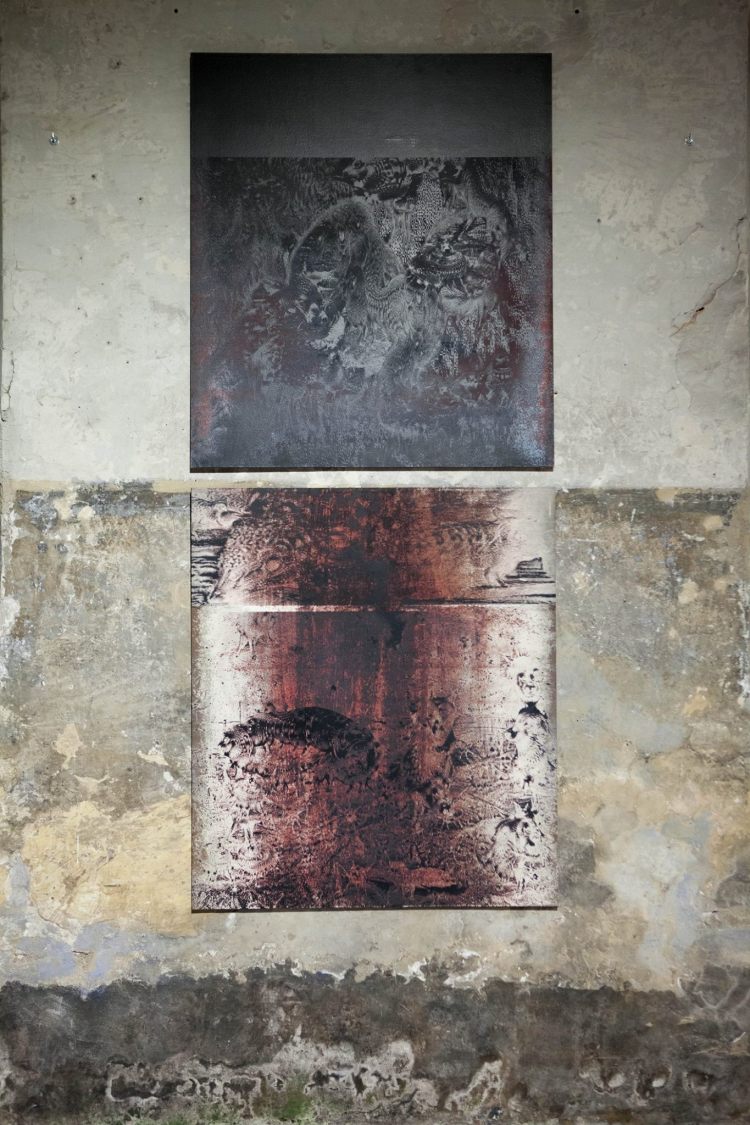
Credits:
Computer vision
a project by Marco Mendeni
Software: Deep Dream/ Deep Dreamer
Marco Mendeni 2017

Computer vision 06, 120x100cm, 2017
Solo Show / 2017
DE ORACULIS NOVIS, Curated by Arianna Grava, Area35 Gallery, Milano, Italy
_ texts of; Elena Giulia Abbiatici, Matteo Bittanti, Valentino Catricalà, Federica Patti.
–

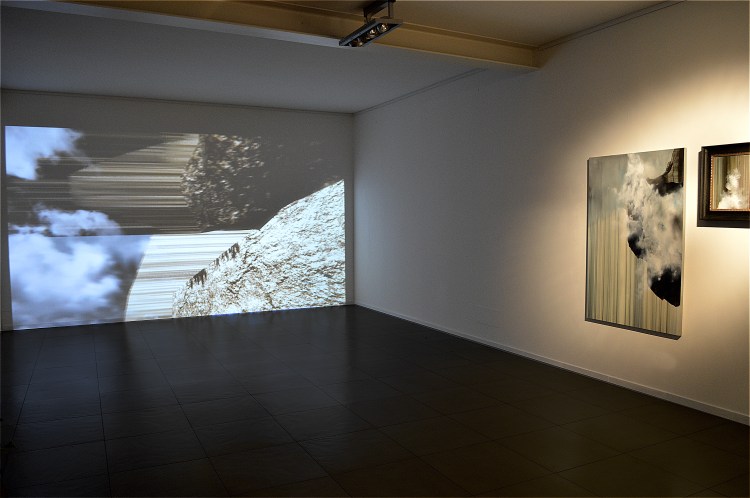
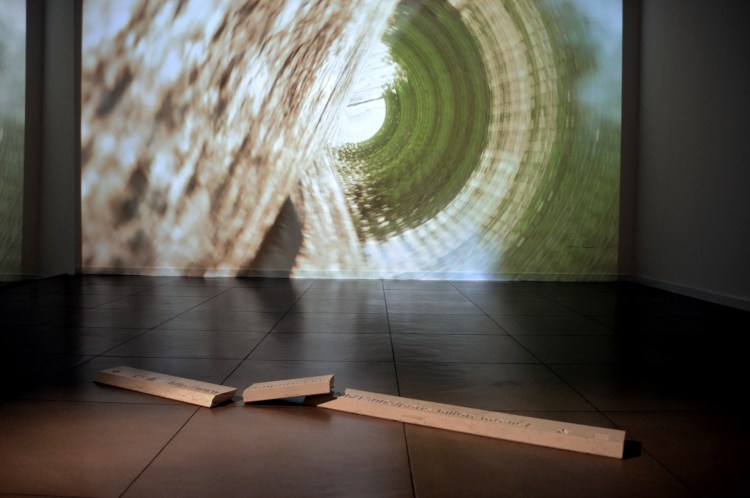
Researching on the basis of the rappresentation of aesthetic values of the new medias , Mendeni invites us to consider the deep consequences of modern technology. With De Oraculis Novis the artist creates a multilayered project with multiple levels of perception, defining the human context, albeit the simulated one, through the movie-like video screen , the ultimate immersion in the virtual reality and finally using the oil painting technique. It is therefore the presence of these great paintings with lines, colors and lights taken from the generated virtual landscapes that testify the undergoing overlapping of reality and simulation both in the landscape of man and within man himself. The project stems from Mendeni’s short video “r_lightTweakSunlight” originated from the hectic behavior of a game software riddled with bugs that gave birth to suggestive landscapes and the subsequent explorative documentation of the computer generated world.

_
[
]
Solo Show / 2017
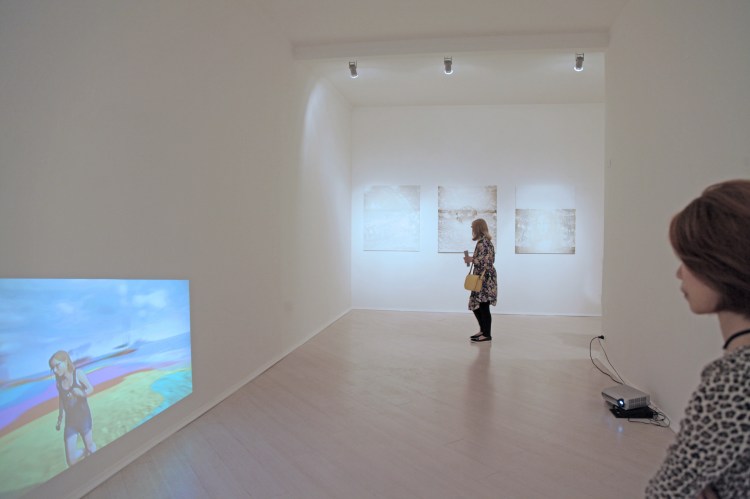
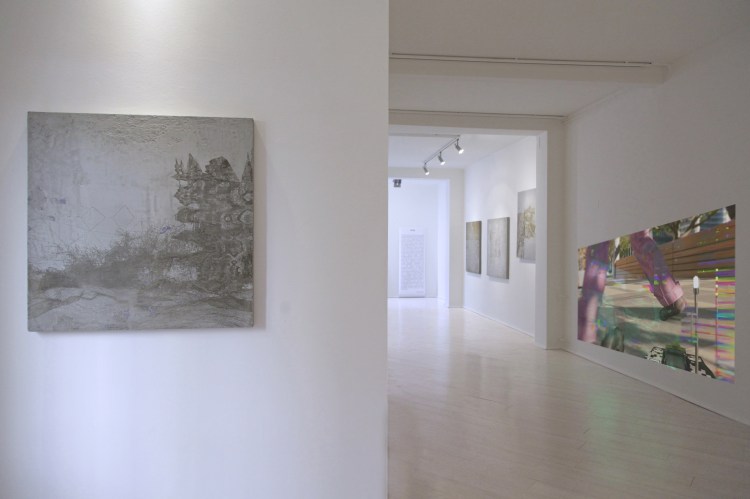
HYPE, AmyD Gallery, curated by Matteo Bittanti /Milano, Italy
.

________________________________________________
Group Show // 2016
GAME VIDEO/ART. A SURVEY, XX1T Triennale International Exhibition, IULM space, curated by Vincenzo Trione and Matteo Bittanti, Milan, Italy
_
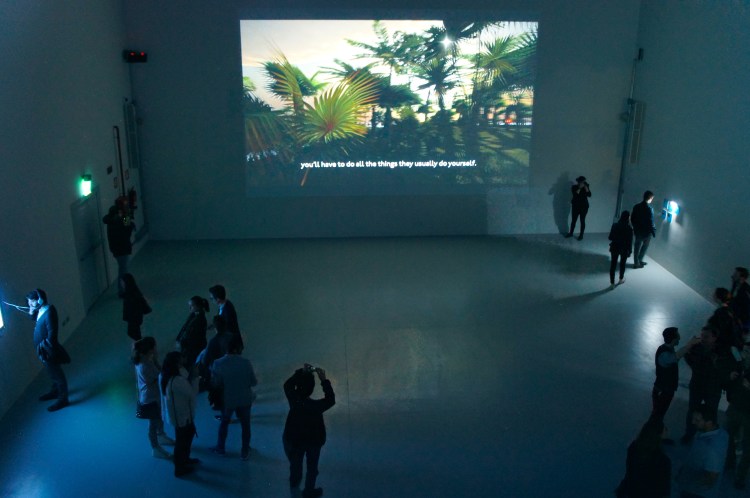
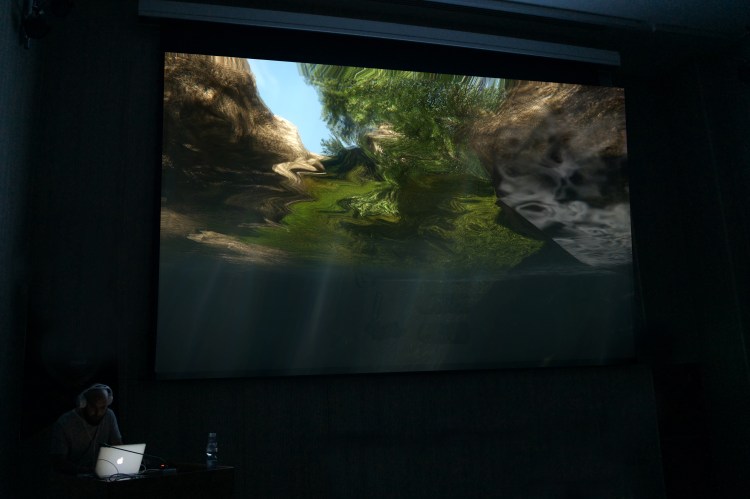

Ranging from institutional critique to new media production, Game/Video Art. A Survey emphasizes the visual nature of digital gaming and its potential for creative expression, rather than mere escapism.
On the occasion of the XXI Triennale di Milano International Exposition, IULM University houses the exhibition named Game Video/Art. A Survey.
Game Video/Art. A Survey is the most comprehensive, eclectic, and diverse exhibition on machinima ever staged in Italy.
Featuring recent (2007-2015) works from a variety of world-renown artists, the show explores themes pertaining to simulation and representation, fiction and nonfiction, replay and re-enactment, architecture and urbanism, sex and race, gender and politics, war and terrorism through the lenses of videogame-made videos, also known as machinima.
By bringing together experimental filmmaking, performance art, video art, and gaming technologies (including virtual reality), Game Video/Art. A Survey invites the viewer to experience an artistic landscape in flux, one in which notions of media specificity and media convergence are simultaneously confirmed and rejected. The curators suggest that machinima is both a b lending of mediums/technologies and a truly innovative form.
The title itself is a pun on the word video game: by inverting the terms “video” and “game”, the curators hint at the playful nature of this peculiar form of visual art originating from digital games. Although a recent development in art history, machinima allows for a unique and differentiated experience from non-interactive visual media such as painting and sculpture. Its durational nature requires a longer commitment of time on the viewer’s part to render an aesthetic judgment. Machinima is, by definition, derivative and recombinant, suggesting a blurring of boundaries b etween content consumer and creator.
And yet, the ingenuity of the machinima makers and their inventive processes are often astounding. The works on display are truly multimedia in their deliberate appropriation of different audiovisual languages – from cinema to television, from music videos to internet aesthetics, from animation to puppetry. Machinima’s reliance on repeated patterns and source material construct haunting, dreamlike hallucinations which evoke uncanny situations, dark fantasies and crude dystopias. These video works explore ideas of imagined memories, failed futures, and alternative realities.
Credits
Curated by
Matteo Bittanti
Vincenzo Trione
Scientific direction
Gianni Canova
_
____________________________________________
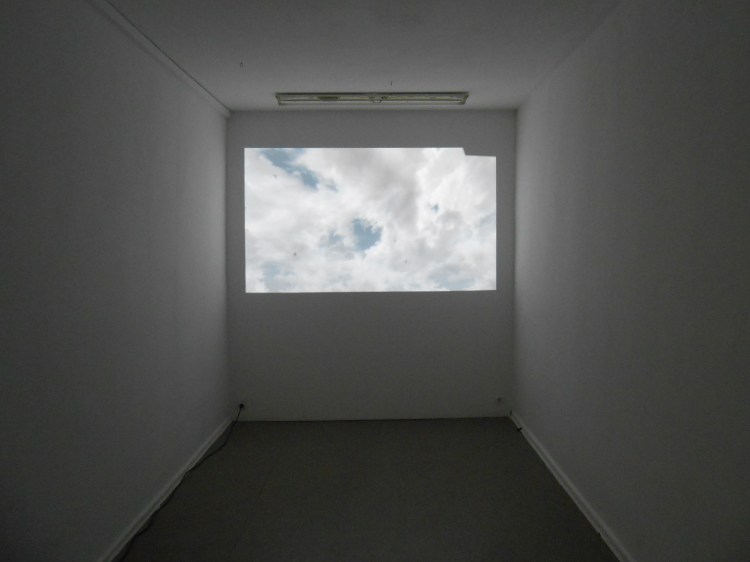
AUTFEST | 2016_ languages of the unheard, Altes Finanzamt, Berlin, Germany
Group Show // 2014
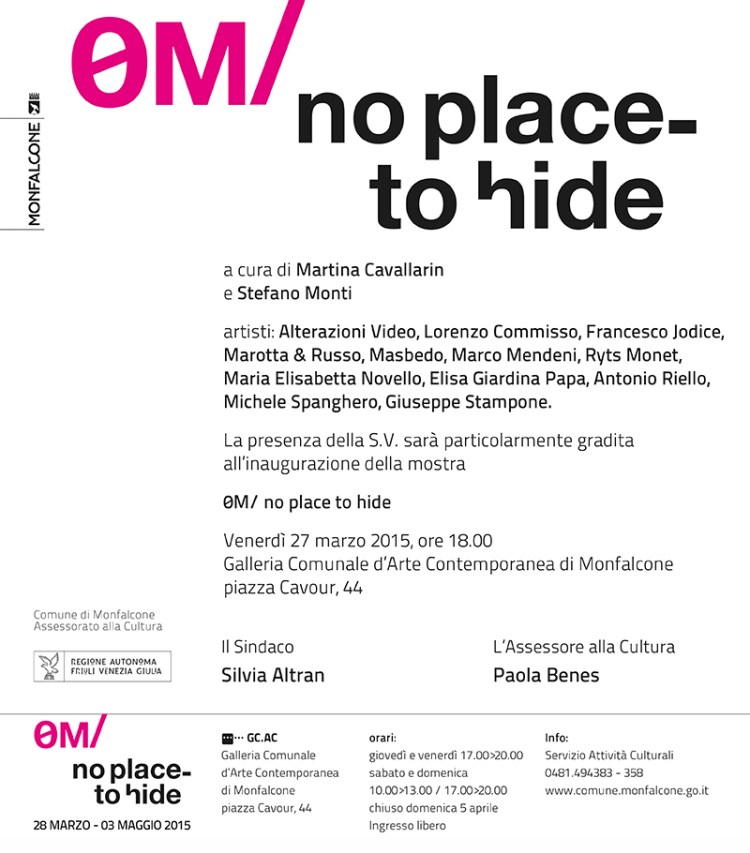
0M / no place to hide, Museo Civico Monfalcone, curated by Martina Cavallerin/Stefano Monti, Monfalcone, Italy

Group Show // 2012
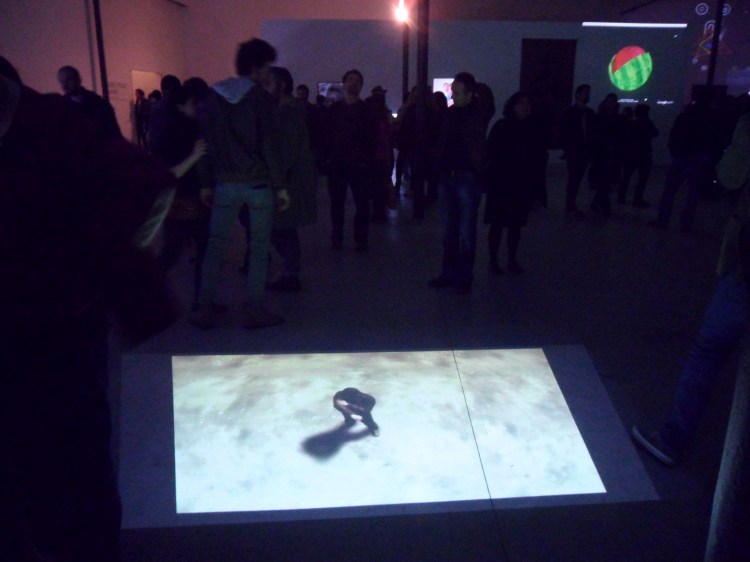
BYOB | Museo Pecci, curated by Domenico Quaranta, Milano, Italy

–
 .
. 